Tag: Stress and anxiety

The Power of Our Words: Choosing to Build or Destroy!

The power of words
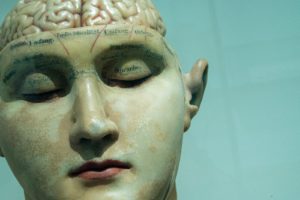
This is me in deep thought!

We’ve all experienced it: voicing frustrations about traffic, complaining about co-workers, or feeling let down by a missed chance. Whether you know it or not, complaining is as inherent as breathing and can often serve as a release.

However, as the proverb states, “Complaining is like a rocking chair. It gives you something to do but doesn’t take you anywhere.” All it does is generate anxiety and stress for those around you.

My purpose in weaving together my stories isn’t to create a platform for endless complaints. Instead, I view venting as a pivotal moment, an opportunity to confront our emotions and emerge as individuals who have grown and evolved.

We as humans are BROKEN!

Each story I share is a stepping stone toward clarity, encouraging reflection rather than merely expressing dissatisfaction.

For instance, we can either wield our words as weapons of destruction or use them to create connections and encourage positive change. This choice leads to personal growth and a sense of empowerment when made consistently.

It’s all about choices, and I’ve made mine clear: I choose to build bridges and foster positive change in the world around us—especially right now! In the 2024 election, you voiced dissatisfaction with the Biden administration’s policies. I understand that you felt disappointed with specific outcomes, partly because you believed he wasn’t doing anything to help you.

So, you listened to words of destruction that compounded what you believed to be accurate and what you saw each time you went shopping for food.

You wanted relief…so you followed the negativity. What did you get from the promises made for your vote?

Hell on earth, I would say!

The Destructive Nature of Complaining

It’s essential to recognize that complaining can be a double-edged sword. Which can be seen as…

  • On one hand, it allows us to vent and express our frustrations.
  • Conversely, it can also lead to a cycle of negativity that impacts our well-being and the morale of those around us.

Look at the chaos your vote has created around the world. People, we are in for a bumpy ride. We are hated even more now and possibly unwelcome in other countries.

The bottom line is when we constantly complain without seeking solutions, we risk:

  1. Spreading negativity: Our words have the power to influence others, and persistent complaining can create a toxic environment.
  2. Undermining relationships: Complaints directed at others can erode trust and damage personal and professional relationships.
  3. Stagnating progress: Focusing on problems without seeking solutions can prevent you from moving forward and finding resolutions.

The Constructive Choice: Building Bridges and Positive Change!

Conversely, we can harness the energy behind our complaints and channel it into something productive. By choosing to approach our grievances constructively, we can:

  • Fostering empathy and understanding can help us connect with others more profoundly, fostering a sense of unity and compassion.
  • Encourage positive change: Complaints can lead to meaningful improvements and solutions when framed as constructive feedback.
  • Promote a positive environment: By focusing on solutions and maintaining a positive outlook, we can create a supportive and uplifting atmosphere.

    The power of words
    Be at peace with yourself!

In the grand scheme of things, we are profoundly shaped by the environment we grow up in, influenced by the lessons we learn as children. My own experiences resonate with this truth. Though my parents were physically present in our home, they often felt emotionally absent during our times of need, leaving us to navigate life‘s challenges independently.

Some of my siblings, like my brother David, struggled to break free from the shadows of our troubled upbringing. Recently, he passed away, leaving behind a poignant silence that speaks volumes about the life he lived. When he departed from this world, he did so alone, and we are left in anguish, wondering how long he had lain there, unseen and unheard, before being discovered.

David carried the weight of unresolved issues from our childhood and beyond, deep-seated wounds that festered over time. These struggles were not just personal; they were destructive forces that ultimately defined his journey. The impact of our past can be potent, shaping our paths in ways we often fail to understand until it’s too late.

In any case, our choices are solely our own and no one else’s. Here are some strategies I’ve discovered over the years to combat negativity.

Practical Steps to Turn Complaints into Positive Actions

1. Think before you speak: Consider whether your complaint is constructive or harmful. Try to find words that will encourage communication and problem-solving?

2. Use “I” statements: Instead of blaming others, express your feelings and concerns using “I” statements. For example, “I feel frustrated when…” rather than “You always…”

3. Presenting viable solutions involves articulating our concerns and actively addressing the issues. This approach creates a profound sense of empowerment. It encourages a proactive mindset, allowing us to transform challenges into opportunities for positive change.

4. Practice gratitude: I establish a foundation of gratitude by acknowledging the positive aspects of my life. This helps me to balance focus on positivity rather than negativity.

In conclusion,

It all comes down to this: complaining is a natural part of the human experience, but it doesn’t have to be a dead-end road.

Nevertheless, when we use our words constructively, we change the narrative. Our complaints become catalysts for positive change, bridge gaps, and create a more harmonious and uplifting environment for ourselves and those around us.

Simply put, the power is in our hands—or, more accurately, in our words.

The power of words
A journey of a thousand miles begins with a single step

This JusMee Talkin

Post page

Chronic Stress Effects: My Personal Story!

Chronic Stress
Angry and exasperated employee. Office worker smashing a table bat. Vector illustration

Chronic stress is a common response to the demands of modern life. Guess what? I learned the hard way what being overly stressed out is and what it can do to your life!

On the positive side…it manifests as stress symptoms such as:

  •  nervousness, 
  • irritability, 
  • muscle tension, 

And so on — it revs up every part of the body and mind to keep you alive and alert.

In the same way, the negative effects of chronic stress build slowly over time, and it starts to limit your ability to enjoy simple pleasures in life or find inner peace until it’s too late.

 But don’t despair! You can integrate effective practices into your life to help you manage chronic stress more effectively. 

Check out my strategies to help you get unstuck.

Stress level reduced with problem and pressure solving tiny persons concept. Tired from frustration employee in job vector illustration. Angry tension in business lifestyle. Emotional overload scene.

At first glance…Take time to self-reflect!

As noted earlier, I learned the hard way what being overly stressed out is and what it can do to your life

Well, that is a long, drawn-out story which is another story together. However, I will give you a summary.

I worked at the FBI, and if you don’t know, the jobs are highly stressed daily. Particularly the programs dealing with informants. 

That said, I was Program Manager for the S-Visa Program, a U.S. nonimmigrant visa that allows persons who witnesses or informants to assist law enforcement and provide information about a criminal organization in the U.S. 

It is otherwise known as the “Snitch” visa. This visa is temporary and does not permit permanent living in the U.S. 

Anyway, during my time with the FBI, I encountered many obstacles along the way;

The backlog of S-visa requests from the FBI and other Federal Law Enforcement Agencies at U.S. Citizenship and Immigration Immigration Services was the biggest source of my stress and a huge obstacle that wasn’t easy to overcome.

 Some I could get around; others were a constant source of stress that hijacked my coping ability and overwhelmed me. 

I was suffering from chronic stress, which prompted the fall, causing a traumatic brain injury. (TBI)

So, what I am leading up to was my contact with a carpeted concrete floor in 2008. 😭

Subtle woman’s form in an unhappy pose double exposed with a monochromatic paint splatter photographic effect

One day, I passed out, hitting the back of my head. 🗣

See…I was unaware of being stressed out until it was much too late. It’s now 2022…14 years later, and I’m disabled mentally.

What’s more, I’m not crazy mentally; my brain doesn’t always function properly!

So the first step in managing your stress is to learn to “unsee”👁 your stress. 

When you’re feeling stressed,😤Focus on what you’re doing. 

Keep tabs on your mental “forest.” When you notice that your mind has wandered far off into the bushes, gently but firmly pull your attention back to the task.

 It’s hard to do when you’re stressed because you don’t want to admit that you feel overwhelmed or you don’t want to admit that you’re struggling. 

🆗…I know because it once was me!

Therefore, If you can take a step back, you’ll be surprised at how much better the situation🔥 will look when you are not stressed.🤯

Chronicstress
Mindfulness – modern line design style web banner on white background with copy space for text. A composition with a businesswoman meditating at work, sitting at the laptop, trying to release stress

Equally important…exercise and daily mindfulness practices!

Moreover, I found a quick and easy way to quiet your mind and regain control over your attention? 

  1. Take up a few low-key exercises — yoga, walking, breathing exercises, or something else that helps you quiet your mind. 
  2. You need to take a break from the demands of work or school and acknowledge that you’re feeling stressed. 
  3. Finding a few minutes to yourself every day to do some gentle, mind-quieting exercise is an easy, effective way to do this. 

In the long run, it’s helpful if you’re stressed, over-tasked, and overwhelmed.

It may seem small, but it can be tremendously comforting and helpful to the stressed-out mind.

The next step …Don’t dwell on the past!

Chronic
Woman sitting on the floor and doing meditation at home, relaxation and mindfulness concept

But, at the same time, you might be thinking, how in the hell can you move forward when your past keeps invading your every thought?

How do you move away from demons that played a part in  your descent into the dark places of your mind?

To begin with, you must become keenly aware of your mind path, your pattern of thinking backward, into the dark abyss of past mistakes and misfortunes, which only compound the situation…making you more stressed and anxious. 

To put it more simply…stressed-out minds are more focused on the got darn negative. So the more time you spend dwelling on the past, the more you feel stressed and anxious. 

Reach for a relaxed state of mind by focusing on the present moment. Think happy thoughts.

The greatest weapon against stress is our ability to choose one thought over another.” 

William James


Simply put…

 Stop thinking about the past and consider what you can do to move forward!

And be sure to…have a conversation with yourself!

The best way to deal with stress is by talking yourself down from the high horse with a sense of humor.

By the way, this will make you feel less stressed! 

However, it’s not easy, but telling your brain that it needs a break will make you feel better in no time!

“Stress acts as an accelerator: it will push you either forward or backward, but you choose which direction.”

Chelsea Erieau

What Is Chronic Stress…Fight or Flight! What I experienced:⬇️

  • Namely, stress is the body’s reaction to harmful real or perceived situations. 
  • A chemical reaction in your body allows you to act to prevent injury when you feel threatened.
  • The stress response reaction: is known as “fight-or-flight.” 
  • During the stress response, your heart rate increases, breathing quickens, muscles tighten, and blood pressure rises.
  •  You are ready to act. It is how you protect yourself.

Now, some people are better able to handle stress than others. And, also not all stress is bad. 

It comes down to…small doses of stress can help you accomplish tasks and prevent you from getting hurt. 

Also, stress makes you slam on the brakes to avoid hitting the car in front of you. That’s a good thing.

Wrapping it up!Chronic

Chronic stress is almost inevitable if you’re a highly-pressured, high-performing individual in today’s modern world. 

On the contrary, many people struggle with it, but it doesn’t have to be a barrier to your happiness and success. 

It’s important to recognize that you’re feeling stressed, take a few moments to check-in and collect yourself, and then reach for a few low-key stress-reducing techniques.

 These will help you regain control over your attention and get back to enjoying life.🌹

 It took years to learn how to control the stress and not allow it to control me!

👀Thanks for reading👁

MENTAL HEALTH -VS -MENTAL ILLNESS 2 DIFFER

MENTAL HEALTHI want to begin by saying that I have been taking medication for depression and anxiety over the past twelve years.

But in no way do I consider myself to be crazy, a nut case, lunatic, or any other name associated with mental illness.

Simply put…my brain needs assistance in keeping me mentally healthy.

That said…my mental health is a state of well-being where I feel good about myself and my life.

I’ve learned that people who experience good mental wellness typically have a positive outlook on life, feel confident, and behave responsibly. 

On the other hand, those with mental illness may not function due to psychological disorders such as depression or anxiety.

This is why I have no problem taking my medication. It will keep me mentally healthy.

Incidentally, mental illnesses can cause those affected by them significant distress, which impedes their ability to live happy lives like everyone else does every day.

In fact, according to Anjel Vahratian, Ph.D., Stephen J. Blumberg, Ph.D., […], and Jeannine S. Schiller, MPH…

Mental HEALTHSocial restrictions, limits on operating nonessential businesses, and other measures to reduce pandemic-related mortality and morbidity can lead to isolation and unemployment or underemployment, further increasing the risk for mental health problems (2)

To rapidly monitor changes in mental health status and access to care during the COVID-19 pandemic, CDC partnered with the U.S. Census Bureau to conduct the Household Pulse Survey (HPS).

This report describes trends in the percentage of adults with symptoms of an anxiety disorder or a depressive disorder and those who sought mental health services. 

Mental HEALTHDuring August 19, 2020–February 1, 2021, the percentage of adults with symptoms of an anxiety or a depressive disorder during the past 7 days increased significantly (from 36.4% to 41.5%), as did the percentage reporting that they needed but did not receive mental health counseling or therapy during the past 4 weeks (from 9.2% to 11.7%).

Increases were largest among adults aged 18–29 years and among those with less 

During August 19–31, 2020, through November 25–December 7, 2020, a significant increase was observed in the percentage of adults who reported taking prescription medication or receiving counseling for their mental health (from 22.4% to 25.0%) (Figure 2). 

Similarly, during August 19–31, 2020, through December 9–21, 2020, a significant increase was observed in the percentage of adults who reported needing but not receiving counseling or therapy for their mental health (from 9.2% to 12.4%).

Estimates through January 2021 were similar to those in December 2020.

During August 19–31, 2020, through November 25–December 7, 2020, a significant increase was observed in the percentage of adults who reported taking prescription medication or receiving counseling for their mental health (from 22.4% to 25.0%) (Figure 2). 

During August 19–31, 2020, through December 9–21, 2020, a significant increase was observed in the percentage of adults who reported needing but not receiving counseling or therapy for their mental health (from 9.2% to 12.4%).

Estimates through January 2021 were similar to those in December 2020.

Mental health and mental illness are two terms that get thrown around 

MENTAL HEALTHMental health and mental illness are two words that are often used interchangeably, but what is the difference between them? I’m sure you have heard the phrase, “I need to go see someone about my mental health.” 

 I hope this article has helped understand the difference between mental health and mental illness so you can be better informed about how to support those around you who may need your help. You deserve it too!

Mental health deserves just as much attention and care as physical health.

It’s essential to understand the difference between mental illnesses, which are treatable diseases that can be passed down in families;

or acquired over time, and mental health problems that have no known cause but may affect someone at any age. 

The NIH has a great article about this topic with more details on ways you can help yourself or others who might need it.  (See the link below)


In conclusion…Please follow me for more information on being mental healthy as I explore how we all have the power to improve our minds and body by taking small steps every day!


Thank You For Reading!MENTAL HEALTH

SOURCES OF INFORMATION

https://www.nimh.nih.gov/research/research-conducted-at-nimh/join-a-study

https://www.ncbi.nlm.nih.gov/pmc/articles/PMC8022876/#!po=3.84615

Negative Thoughts…BRAIN POWER Mindset2!

Negative thoughts

I’m Just Asking?

Negative thoughts…How often do you think about your brain? Do you ever stop to wonder about its supreme cleverness? Or at least check-in and give it a little spring clean and recharge it from time to time?

It is simple to do and very effective! I suppose you are wondering–how in the hell can anyone check-in and give your brain a spring cleaning and a recharge?

Now listen to this very carefully—REMOVE ALL NEGATIVITY FROM YOUR LIFE! I– for one can’t tolerate very much negativism; Why? Well for starters:

  • Stress is not my dam FRIEND
  • It does not matter what other PEOPLE may think about me–trying to please others only creates unnecessary stress.
  • Life is much too short—so I no longer stress out over things that are out of my control; I just let the chips fall where they may.
  • I am JUST ME–THE PERSON, THAT GOD, WANTS ME TO BE.

Why is this important? My answer to this question is this: You can never be happy on the inside, and you will always walk around feeling sad, lonely and all alone. The reason I know this—hell, truth be told–that was me!

Did you get it —-that was ME?

Now I am curious, and want to adventure out into areas that was once held down by depression and stress. Yep, all those years I was suffering because of the negative influnences brought into my life as a child; and sadly followed me into adulthood.

Nevertheless

By being ‘curious’ and questioning everything, you force your brain to innovate and create new ideas. Which is why I write. Writing is a great way to release stress. That said—some people may not like what I have said, guess what?

In any case

To put it bluntly—-oh well, some will and others won’t. I am still gonna be ME. Telling you exactly as I feel, and keep it moving without hard feelings or regrets.

“Important thing is not to stop questioning. Curiosity has its own reason for existence. One cannot help but be in awe when he contemplates the mysteries of eternity, of life, of the marvelous structure of reality. It is enough if one tries merely to comprehend a little of this mystery each day.”

Albert Einstein

Negative Out-of-the-box thinking!!

It has been reported that stress and anxiety kill existing brain neurons and also stop new neurons from being created.

Moreover —Positive Thinking!

Research has shown that positive thinking, especially in the future tense, speeds up the creation of cells and dramatically reduces stress and anxiety. Therefore, it is best to get a handle on negative thoughts and make an effort to replace them with positive ones.

Not sure how to do it? Take a look at this article:

How to Turn Off Negative Thoughts in Your Mind

Final Thoughts:

More than anything else, I have learned that removing negative thoughts from your mindset, and improving your brain power is about habits, and habits take time to build. In the mean time, try to focus on those things that are most important to you. Changing what you can, and letting go of negative thoughts.

Giving your life a complete makeover with making changes to the way you think, make decisions and JUST BE YOURSELF.


The greatest discovery of my generation is that human beings can change the quality of their lives by changing the attitudes of their minds.” – William James

That’s it for now!

SE